Toyota RAV4 for Sale: Complete Guide to Prices, Models, Features and Finding the Best Deals

Understanding the Toyota RAV4 and Its Popularity
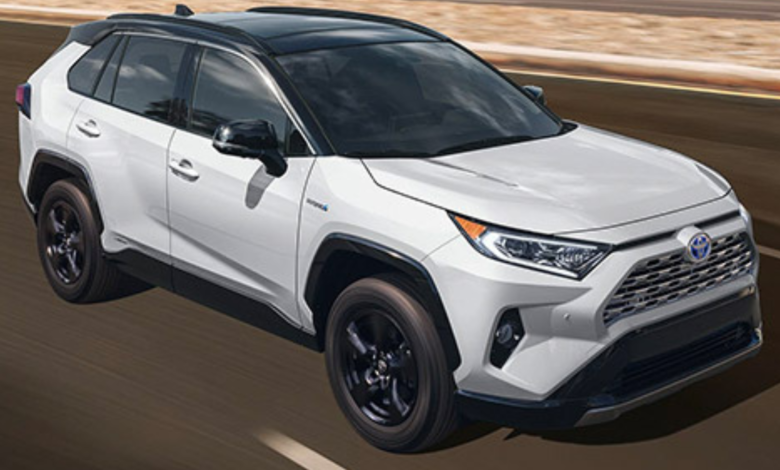
The Toyota RAV4 for Sale market continues to attract buyers looking for a dependable, practical, and efficient SUV that offers excellent value for money. The Toyota RAV4 has built a strong reputation over several decades because of its combination of reliability, comfort, advanced technology, and everyday usability. Designed for families, professionals, and adventure enthusiasts, the RAV4 provides a balanced driving experience that works well for city commuting, road trips, and outdoor activities. Its spacious cabin, smooth handling, and impressive fuel economy make it one of the most recognised compact SUVs available today.
Toyota RAV4 for Sale One of the biggest reasons people search for a Toyota RAV4 for Sale is Toyota’s reputation for producing vehicles that maintain their quality over time. Many RAV4 owners appreciate the vehicle’s low maintenance requirements, strong resale value, and dependable performance. Whether choosing a brand-new model or a pre-owned Toyota RAV4, buyers often benefit from a vehicle designed with durability in mind. The SUV market has become highly competitive, but the RAV4 remains a favourite because it successfully combines practicality with modern features and stylish design.
The popularity of the Toyota RAV4 for Sale also comes from its variety of options. Buyers can choose between petrol and hybrid versions, different trim levels, and multiple feature packages depending on their preferences and budget. The Toyota RAV4 hybrid models have become especially popular due to their excellent fuel efficiency and environmentally friendly performance. With advanced safety systems, comfortable interiors, and smart technology, the RAV4 continues to meet the changing needs of modern drivers searching for a reliable family SUV Toyota RAV4 for Sale.
Toyota RAV4 Models and Trim Levels Available for Sale
When exploring a Toyota RAV4 for Sale, understanding the different models and trim levels is essential because each version offers unique features and benefits. Toyota provides multiple RAV4 configurations designed to suit different types of drivers. Entry-level models usually focus on affordability while still offering essential safety and technology features. Mid-range versions provide additional comfort upgrades, improved entertainment systems, and enhanced convenience features. Premium trims are designed for buyers who want a more luxurious driving experience with advanced interior materials and additional technology.
The Toyota RAV4 Hybrid for Sale has become one of the most searched options among SUV buyers. Hybrid technology allows drivers to enjoy improved fuel efficiency without sacrificing performance. The hybrid system combines electric power with a petrol engine to deliver smoother acceleration and reduced fuel consumption. This makes the RAV4 hybrid an attractive choice for drivers who spend a lot of time commuting or want to reduce their fuel expenses. Many buyers also appreciate the quiet driving experience and advanced engineering behind Toyota’s hybrid technology Toyota RAV4 for Sale.
Toyota RAV4 for Sale Special editions and higher trims can provide additional features such as premium sound systems, upgraded seating materials, enhanced driver assistance technology, and improved exterior styling. Before purchasing a used Toyota RAV4, buyers should compare different trims carefully to understand which features are most important for their lifestyle. Choosing the right model ensures better satisfaction and helps buyers get the best possible value from their investment.
New vs Used Toyota RAV4 for Sale: Which Option Is Better?
Choosing between a new and used Toyota RAV4 for Sale depends on personal budget, preferences, and long-term goals. A new Toyota RAV4 provides access to the latest design updates, modern technology, full warranty coverage, and the ability to select preferred colours and specifications. New models often include the newest safety features and improved fuel efficiency, making them appealing to buyers who want the latest automotive advancements.
A pre-owned Toyota RAV4 can be an excellent option for buyers looking for affordability. Since new vehicles usually experience depreciation during the first few years, purchasing a used RAV4 can provide significant savings. Many used RAV4 models still offer excellent performance, especially when they have been properly maintained. Buyers can often find higher trim levels with premium features at a lower price compared with purchasing a new entry-level model.
However, anyone looking for a Toyota RAV4 used car should carefully inspect the vehicle before making a purchase. Checking maintenance records, mileage, accident history, and overall condition can help avoid future problems. A professional inspection is also recommended when buying from a private seller. Whether choosing new or used, the Toyota RAV4 remains a strong investment because of its reliability, durability, and strong market demand.
Toyota RAV4 Price Guide and Factors That Affect Cost
The price of a Toyota RAV4 for Sale varies depending on several important factors, including model year, mileage, trim level, location, and vehicle condition. Newer models with advanced technology and hybrid systems usually have higher prices, while older used models may offer more affordable options. Buyers should consider their budget carefully and compare different listings before making a final decision Toyota RAV4 for Sale.
A Toyota RAV4 price is also influenced by market demand. Because the RAV4 is known for reliability and strong resale value, used models often maintain their prices better than many competitors. Hybrid versions may also have higher prices due to their fuel-saving benefits and increasing popularity. Understanding these factors helps buyers recognise whether a listing represents a fair deal.
When searching for affordable Toyota RAV4 deals, buyers should compare prices from multiple sources, including dealerships and online marketplaces. It is important not only to focus on the cheapest option but also to consider the vehicle’s history, maintenance condition, and included features. A slightly higher-priced RAV4 with excellent maintenance may provide better long-term value than a cheaper vehicle requiring expensive repairs.
Key Features and Technology in the Toyota RAV4
The modern Toyota RAV4 for Sale offers a wide range of features designed to improve comfort, safety, and convenience. The interior is built with practicality in mind, providing spacious seating, flexible storage solutions, and a comfortable environment for both drivers and passengers. The large cargo area makes the RAV4 suitable for families, shopping trips, and outdoor adventures.
Technology plays an important role in the appeal of the Toyota RAV4 crossover. Many models include touchscreen infotainment systems, smartphone connectivity, digital displays, and advanced entertainment options. Toyota also focuses heavily on safety by including driver assistance technologies that help improve confidence behind the wheel. Features such as adaptive cruise control, lane assistance, and collision prevention systems make everyday driving easier and safer.
The combination of practical design and modern technology makes the Toyota RAV4 2026 model and previous generations attractive choices for buyers who want a vehicle that meets current driving expectations. Whether used for daily travel or weekend adventures, the RAV4 provides the comfort and capability expected from a modern SUV.
Where to Find the Best Toyota RAV4 for Sale
Finding the right Toyota RAV4 for Sale requires researching reliable buying sources. Dealerships are a popular choice because they often provide inspected vehicles, financing options, and warranty coverage. Certified pre-owned programmes can also give buyers additional confidence by offering vehicles that meet specific quality standards.
Online automotive marketplaces have made it easier to compare Toyota RAV4 deals online from different sellers. Buyers can review prices, features, mileage, and locations before deciding which vehicles deserve further inspection. Private sellers may sometimes offer lower prices, but buyers should take extra care to verify vehicle history and condition.
Regardless of where you buy, always check seller reputation, request necessary documents, and arrange a test drive. Careful research can help buyers find a quality RAV4 that matches their needs and budget.
Conclusion
The Toyota RAV4 for Sale remains one of the most attractive choices in the compact SUV market because of its reliability, comfort, efficiency, and long-term value. Whether selecting a new model or a used vehicle, buyers can benefit from Toyota’s reputation for quality engineering and dependable performance.
Taking time to compare models, prices, features, and vehicle conditions is essential for making the right decision. With proper research, finding the ideal Toyota RAV4 becomes easier and allows buyers to enjoy a practical SUV that delivers excellent everyday performance.
FAQs About Toyota RAV4 for Sale
What is the average price of a Toyota RAV4 for sale?
The price depends on the model year, condition, mileage, and features.
Is the Toyota RAV4 a reliable SUV?
Yes, the RAV4 is widely known for reliability and durability.
Should I buy a new or used Toyota RAV4?
Both options are good depending on your budget and preferences.
Which Toyota RAV4 model is best?
The best model depends on your required features, budget, and driving needs.
Are Toyota RAV4 hybrid models worth buying?
Yes, hybrid models offer excellent fuel efficiency and smooth performance.
How long can a Toyota RAV4 last?
A well-maintained RAV4 can provide many years of dependable service.
Where can I find Toyota RAV4 deals?
You can find deals through dealerships, online marketplaces, and certified sellers.
Does Toyota RAV4 have good fuel economy?
Yes, especially the hybrid versions with improved efficiency.
What should I check before buying a used RAV4?
Check maintenance records, mileage, history reports, and vehicle condition.
Why is Toyota RAV4 popular?
Its reliability, practicality, comfort, and resale value make it popular.
You May Also Read: can dogs have tylenol
