
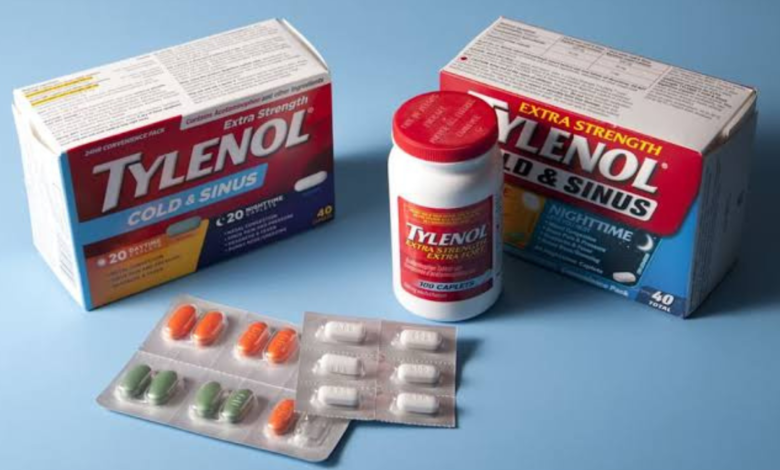
Many dog owners experience moments when their pets appear uncomfortable, injured, or in pain. When a beloved dog is suffering, it is natural to look for quick solutions that can provide relief. Because Tylenol is a common pain reliever used by humans, some pet owners wonder, can dogs have Tylenol and whether this medication can safely help their furry companions. However, medicines designed for people do not always work the same way in animals, and some can create serious health risks for dogs.
Tylenol contains an active ingredient called acetaminophen, which is commonly used by humans to reduce pain and fever. While it may seem harmless because it is available over the counter, dogs process medications differently from humans. Their bodies, especially their liver systems, can react differently to certain chemicals. This means that giving Tylenol without professional veterinary advice can potentially lead to dangerous complications.
Understanding medication safety is an important part of responsible pet ownership. Instead of assuming that a human medicine is suitable for a dog, owners should learn about possible risks, warning signs, and safer alternatives. This guide explains everything pet owners need to know about can dogs have Tylenol, including how Tylenol affects dogs, symptoms of toxicity, emergency steps, and veterinary-approved pain management options.
What Is Tylenol and How Does It Work?
Tylenol is a brand name for a medication that contains acetaminophen, also known as paracetamol in many parts of the world. It is widely used by humans to manage mild to moderate pain and reduce fever. The medicine works by affecting chemical signals in the body that are involved in pain perception and temperature regulation. For people, Tylenol is considered a commonly used medication when taken according to recommended guidelines.
However, the way humans process acetaminophen is not identical to how dogs process it. A dog’s body has different metabolic functions, and the liver plays a major role in breaking down medications. When a dog receives an inappropriate amount of acetaminophen, harmful substances can build up in the body and affect important organs. This difference in metabolism is one of the main reasons why owners should be cautious when asking can dogs have Tylenol.
Some veterinarians may occasionally use acetaminophen in specific situations, but this is only done under strict professional supervision. A veterinarian considers factors such as the dog’s weight, age, breed, overall health, and existing medical conditions before deciding whether any medication is appropriate. The dosage and monitoring requirements are completely different from human recommendations.
Dog owners should also understand that pain is often a symptom of another problem rather than an illness itself. A dog experiencing discomfort may have an injury, infection, arthritis, dental issues, or another medical condition that requires proper diagnosis. Giving medication without identifying the cause of pain may hide symptoms and delay necessary treatment.
Can Dogs Have Tylenol? Understanding the Safety Risks
The simple answer to can dogs have Tylenol is that owners should not give it to their dogs unless specifically instructed by a veterinarian. Although some veterinary professionals may prescribe acetaminophen in carefully controlled circumstances, self-medicating a dog with Tylenol can be dangerous. The risk depends on many factors, including the amount given and the individual dog’s health condition.
One of the biggest concerns with Tylenol exposure in dogs is liver damage. The liver helps remove harmful substances from the body, but excessive acetaminophen can overwhelm this system. When the liver cannot process the medication properly, toxic compounds may damage liver cells and affect normal body functions. In severe cases, untreated toxicity can become life-threatening.
can dogs have tylenol Another risk associated with acetaminophen poisoning is damage to red blood cells. Acetaminophen can interfere with the blood’s ability to carry oxygen throughout the body. This may lead to symptoms such as weakness, breathing problems, unusual gum colour, or extreme tiredness. These effects can develop quickly and require immediate veterinary attention can dogs have tylenol.
Certain dogs may face higher risks than others. Puppies, elderly dogs, dogs with existing liver problems, and smaller breeds may be more vulnerable to medication complications. Even a dose that seems small to a human may not be appropriate for a dog. This is why veterinary advice is essential before giving any type of human medication.
Signs and Symptoms of Tylenol Poisoning in Dogs
can dogs have tylenol Recognising the warning signs of acetaminophen toxicity can help dog owners seek treatment quickly. Symptoms may vary depending on how much Tylenol a dog consumes, the dog’s size, and how quickly medical care is provided. Early symptoms may appear mild, but they should never be ignored.
Common early signs of Tylenol poisoning can include vomiting, reduced appetite, tiredness, drooling, and general weakness. Some dogs may seem unusually quiet or uninterested in normal activities. Because these symptoms can also occur with many other illnesses, owners may not immediately realise they are connected to medication exposure.
As toxicity becomes more serious, symptoms may become more noticeable. Affected dogs may experience difficulty breathing, swelling around the face or paws, dark-coloured urine, abdominal discomfort, or changes in gum colour. Yellowing of the eyes or skin, known as jaundice, may indicate liver problems and requires urgent veterinary care can dogs have tylenol.
can dogs have tylenol If a dog has accidentally eaten Tylenol, owners should not wait for symptoms to appear before seeking advice. Some internal damage may begin before obvious signs become visible. Contacting a veterinarian quickly provides the best chance of preventing serious complications can dogs have tylenol.
What to Do If Your Dog Accidentally Eats Tylenol
Accidental medication ingestion can happen even in careful homes. Dogs are naturally curious and may chew on bottles, tablets, or items left within reach. If a dog eats Tylenol, the first step is to stay calm and gather important information that can help a veterinarian make decisions.
Owners should determine what type of Tylenol was consumed, how many tablets may be missing, the strength of the medication, and approximately when the ingestion happened. It is also helpful to know the dog’s weight, age, and any existing health conditions. This information allows professionals to better evaluate the level of risk.
Do not attempt to treat the situation with home remedies or give additional medications unless instructed by a veterinarian. Some actions that seem helpful can actually make the situation worse. Professional guidance is the safest approach because treatment depends on the specific circumstances.
can dogs have tylenol Veterinarians may recommend bringing the dog in for evaluation. Depending on the timing and severity, treatment may involve monitoring, supportive care, medications, or other medical procedures. Quick action can significantly improve the chances of recovery can dogs have tylenol.
Safer Pain Relief Options for Dogs
can dogs have tylenol When a dog is experiencing pain, the best solution is identifying the cause and choosing a treatment designed specifically for animals. Veterinarians have access to medications that are formulated and tested for dogs. These treatments are selected based on the dog’s condition, size, medical history, and individual needs.
For example, a dog suffering from joint pain may require a different approach than a dog recovering from surgery or dealing with an injury. A veterinarian can recommend appropriate options that reduce discomfort while protecting important organs. This personalised approach is much safer than using human medicines.
Besides medication, supportive care can also help improve a dog’s comfort. Providing a quiet resting area, maintaining a healthy diet, following rehabilitation instructions, and reducing unnecessary physical stress can support recovery. However, these methods should complement veterinary care rather than replace it.
Pet owners should remember that preventing pain problems is also important. Regular check-ups, proper nutrition, exercise, dental care, and safe living environments can reduce the chances of serious health issues developing.
Common Mistakes Dog Owners Make With Human Medications
Many medication-related problems happen because owners assume that medicines safe for humans are automatically safe for pets. This misunderstanding is common because dogs are part of the family, and owners naturally want to provide quick relief when they appear uncomfortable. However, animals have different biological systems that require specialised care can dogs have tylenol.
Another common mistake is guessing the dosage based on a dog’s size. A larger dog does not automatically mean a higher safe dose, and a smaller dog may be affected by even a small amount. Medication safety depends on many factors beyond weight alone can dogs have tylenol.
can dogs have tylenol Proper storage is also important. Human medications should always be kept in secure locations where pets cannot reach them. Dogs may chew through containers and accidentally consume dangerous substances. Preventing access is one of the easiest ways to protect pets from medication poisoning.
How Veterinarians Treat Tylenol Exposure in Dogs
When a dog is exposed to Tylenol, veterinarians begin by evaluating the situation carefully. They may ask about the amount consumed, the timing of ingestion, and the dog’s current symptoms. Physical examinations and medical tests can help determine whether the medication has affected the body.
Treatment depends on the severity of exposure. In some cases, veterinarians may use methods to reduce absorption of the medication if the dog is brought in soon enough. Supportive treatments may also be provided to protect organs and help the body recover.
Dogs with serious toxicity may require ongoing monitoring and specialised care. Recovery depends on factors such as the amount of medication involved and how quickly treatment begins. This is why immediate veterinary consultation is always recommended.
Conclusion: Can Dogs Have Tylenol and What Owners Should Remember
The question can dogs have Tylenol is an important one for every responsible pet owner. While Tylenol is a common human medication, it is not something that should be given to dogs without professional veterinary guidance. Dogs process medications differently, and improper use can lead to serious health problems, including liver damage and poisoning.
The safest approach is always to consult a veterinarian when a dog experiences pain or discomfort. Professional advice ensures that pets receive treatment designed specifically for their needs. By understanding medication risks, recognising warning signs, and choosing safer alternatives, owners can protect their dogs and provide better long-term care.
Frequently Asked Questions (FAQs)
Can dogs have Tylenol for pain relief?
Dogs should only receive Tylenol if a veterinarian specifically approves and supervises its use.
What happens if a dog eats Tylenol?
A dog may develop poisoning symptoms, including vomiting, weakness, breathing problems, and liver damage.
Can one Tylenol pill hurt a dog?
The risk depends on the dog’s size, health, and the medication strength, so veterinary advice is recommended.
Is Tylenol safe for puppies?
No, puppies should never receive Tylenol unless specifically directed by a veterinarian.
What should I do if my dog accidentally eats Tylenol?
Contact a veterinarian immediately and provide details about the amount and timing of ingestion.
What pain medicine is safe for dogs?
Only veterinarian-approved pain medications should be used for dogs.
How long does Tylenol poisoning take to show symptoms in dogs?
Symptoms can appear within hours, but timing varies depending on the situation.
Can Tylenol cause liver damage in dogs?
Yes, unsafe amounts of acetaminophen can seriously affect a dog’s liver.
You May Also Read: baby brezza bottle washer pro
