Harrison County CAD Log: Complete Guide to Understanding Dispatch Records, Public Safety, and Real-Time Incident Reports

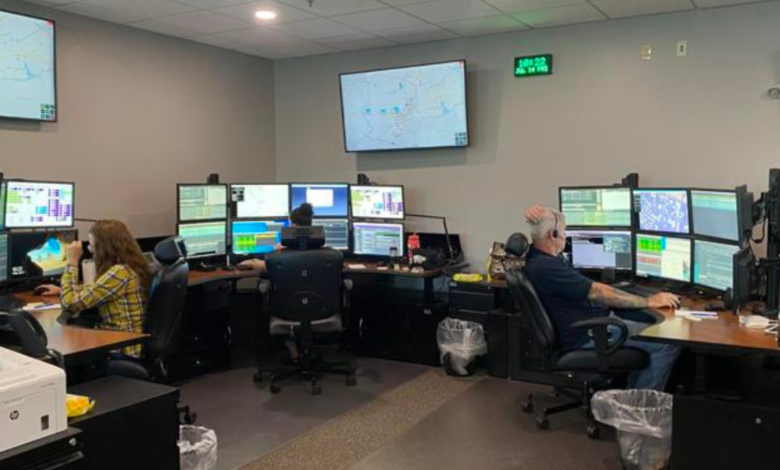
The Harrison County CAD Log is a valuable public resource that helps residents stay informed about emergency incidents, law enforcement activity, fire department responses, and emergency medical service (EMS) dispatches within Harrison County. A Computer-Aided Dispatch (CAD) system records emergency calls as they are received by a dispatch centre, making it easier for emergency responders to coordinate resources and respond quickly to incidents. Many counties across the United States use CAD systems to improve public safety and streamline communication between dispatchers and first responders.


For citizens, journalists, researchers, and community organisations, the Harrison County CAD Log offers insight into what is happening in the local area. Whether you’re interested in monitoring traffic accidents, understanding crime trends, or simply staying aware of emergency events in your neighbourhood, the CAD log serves as an important source of information. However, it is essential to understand that a CAD log is not the same as an official police report. It provides preliminary dispatch information that may change as an investigation progresses.
In this guide, you’ll learn what the Harrison County CAD Log is, how it works, what information it contains, how to interpret dispatch codes, and why it plays such a significant role in supporting public safety. You’ll also discover the limitations of CAD logs and how to use them responsibly while respecting privacy and legal guidelines.
What Is the Harrison County CAD Log?
The Harrison County CAD Log refers to the dispatch records generated through a Computer-Aided Dispatch system used by emergency communication centres. Whenever someone calls 911 or reports an emergency, the dispatcher enters information into the CAD system. The software records important details such as the time of the call, incident type, location, responding units, and updates throughout the response process.
Computer-Aided Dispatch systems have become essential tools for modern emergency services because they improve efficiency and communication. Instead of relying solely on handwritten notes or radio communication, dispatchers can instantly send incident details to police officers, firefighters, and EMS personnel through digital systems. This reduces response times and ensures that emergency responders receive accurate information while travelling to the scene.
Although the Harrison County CAD Log provides valuable public information, it should not be considered a complete investigation report. Dispatch information is entered quickly while an incident is unfolding, meaning initial details may later be corrected or updated. For this reason, users should always verify important information through official sources when accuracy is critical.
Many public agencies contribute to the Harrison County CAD Log, including local police departments, the county sheriff’s office, fire departments, rescue services, and emergency medical responders. Working together through one dispatch system helps ensure emergencies are managed efficiently while maintaining clear communication among different agencies.
How the Harrison County CAD Log Works
Every emergency begins with a call for assistance. When someone contacts 911, the dispatcher answers the call, gathers information about the situation, and enters the details into the Computer-Aided Dispatch system. This creates a unique incident record that becomes part of the Harrison County CAD Log. The system immediately identifies the location, determines the appropriate emergency service, and recommends the closest available units.
Dispatchers continuously update the CAD log as new information becomes available. For example, an incident initially reported as suspicious activity may later be classified as a burglary after officers arrive at the scene. Similarly, a reported medical emergency may require assistance from both EMS and the fire department, resulting in additional units being dispatched and recorded within the system.
Modern CAD systems often integrate with mapping technology, GPS tracking, and mobile data terminals used by first responders. These features allow emergency personnel to receive live updates without relying exclusively on radio communication. Officers can acknowledge calls, report their arrival, request additional resources, and mark incidents as completed, all within the CAD system.
Because emergency situations evolve rapidly, the Harrison County CAD Log reflects real-time activity rather than final investigative conclusions. This makes it an excellent resource for monitoring emergency responses but not necessarily for determining legal outcomes or assigning responsibility.
Information Available in the Harrison County CAD Log
One of the reasons many people access the Harrison County CAD Log is because it provides useful information about emergency activity within the community. Each dispatch record typically contains several important pieces of information that help explain what occurred and how emergency services responded.
The first detail recorded is usually the date and time of the incident. This allows users to understand when an emergency call was received and how quickly responders were dispatched. Time stamps may also show when units arrived, when additional resources were requested, and when the incident was closed.
Another important field is the incident type. Dispatchers classify calls into categories such as traffic accidents, medical emergencies, fires, suspicious persons, disturbances, burglaries, welfare checks, or public assistance. These categories help emergency services prioritise calls according to urgency and determine which agencies should respond.
The location listed within the Harrison County CAD Log generally identifies where the emergency occurred. Depending on privacy policies and local regulations, the exact address may be displayed or partially redacted. Some incidents involving juveniles, domestic violence, or sensitive medical emergencies may have limited public information to protect personal privacy.
Dispatch records also include responding units, allowing users to see which police officers, fire engines, ambulances, or specialised teams handled the incident. Additional status updates may indicate when responders were en route, on scene, transporting patients, or completing the call. Together, these details provide a clear timeline of emergency response activities.
Common Types of Incidents Found in the Harrison County CAD Log
The Harrison County CAD Log includes a wide variety of emergency incidents that occur throughout the community. Traffic accidents are among the most common entries. These incidents range from minor vehicle collisions to serious crashes requiring multiple emergency agencies. CAD logs often show when officers, firefighters, and ambulance crews respond together to ensure injured individuals receive prompt medical attention while traffic hazards are managed safely.
Medical emergencies also represent a significant portion of dispatch activity. Calls involving heart attacks, breathing difficulties, falls, seizures, or other health emergencies require immediate EMS response. In many cases, fire departments assist medical teams by providing additional personnel or specialised rescue equipment. The CAD system documents each responding unit, ensuring efficient coordination during time-sensitive situations.
Law enforcement incidents such as thefts, suspicious activity, domestic disturbances, assaults, welfare checks, and property damage are regularly recorded in the Harrison County CAD Log. While the dispatch entry may provide only a brief description of the incident, it helps inform the public that emergency services responded to a reported event. The final outcome, however, is determined later through official investigations rather than the dispatch record itself.
Fire-related emergencies also appear frequently within the CAD log. These may include residential fires, commercial building fires, vehicle fires, brush fires, smoke investigations, hazardous material incidents, or fire alarm activations. Each incident demonstrates how multiple emergency agencies work together to protect lives and property while maintaining public safety throughout Harrison County.
How to Access the Harrison County CAD Log
Accessing the Harrison County CAD Log is relatively straightforward, although the exact method depends on how local authorities choose to publish dispatch information. Many sheriff’s offices, emergency communication centres, and county government websites provide public access to active dispatch logs or recent incident reports. These online resources allow residents to monitor emergency activity, view dispatch records, and stay informed about incidents occurring within their communities.
Some jurisdictions update their CAD logs in near real time, while others publish information after a short delay to protect ongoing emergency operations. The information displayed typically includes the date, time, incident type, general location, and responding agency. Sensitive details such as personal names, medical information, or exact addresses may be withheld to comply with privacy laws and protect individuals involved in emergencies.
If an online CAD log is unavailable, residents may still request public records through the county’s records department or sheriff’s office, provided the requested information falls under applicable public records laws. Journalists and researchers frequently use these official channels when conducting investigations or gathering historical emergency response data.
When using third-party websites that aggregate dispatch information, always verify details with official Harrison County sources. While these websites can be helpful for convenience, they may contain outdated information or fail to reflect updates made by emergency dispatchers. Relying on official records ensures that the information you receive is as accurate and current as possible.
Understanding CAD Log Codes and Terminology
The Harrison County CAD Log contains numerous abbreviations, codes, and status updates that may seem confusing to someone unfamiliar with emergency dispatch systems. These codes are designed to help dispatchers and first responders communicate quickly and efficiently during emergencies. Learning the basic terminology makes it much easier to understand what is happening during an incident.
Incident types often appear as abbreviated descriptions, indicating whether the call involves a medical emergency, traffic collision, burglary, suspicious person, disturbance, fire, or public assistance request. Priority levels may also be assigned, helping responders determine which calls require immediate attention and which can safely wait until resources become available.
Status updates are another important feature of CAD logs. These updates may indicate that officers are en route, have arrived at the scene, are transporting an individual, have requested additional assistance, or have completed the incident. Understanding these status changes allows readers to follow the progression of an emergency from the initial dispatch until the call is closed.
Although many agencies have adopted plain language instead of traditional radio codes, abbreviations remain common within CAD systems. Users should remember that these entries are created rapidly while emergencies are unfolding. As a result, descriptions may change as additional information becomes available, making it important not to draw conclusions based solely on an initial dispatch entry.
Benefits of Using the Harrison County CAD Log
One of the greatest advantages of the Harrison County CAD Log is that it helps residents remain informed about emergency incidents occurring within their local communities. By reviewing dispatch information, citizens gain a better understanding of public safety activity, allowing them to make informed decisions about travel, neighbourhood awareness, and emergency preparedness.
Community members also benefit from increased transparency. Public access to dispatch records demonstrates how emergency services respond to calls and allocate resources throughout Harrison County. This transparency helps build public trust while encouraging accountability among public safety agencies responsible for protecting local residents.
Researchers, journalists, and public policy professionals frequently rely on CAD logs to analyse emergency response trends. By reviewing dispatch records over time, they can identify patterns involving traffic accidents, crime hotspots, seasonal emergencies, and resource demands. These insights often contribute to public safety planning and community improvement initiatives.
Another important benefit involves education. Students interested in criminal justice, emergency management, public administration, or healthcare can use CAD logs to better understand how emergency response systems function. The records provide practical examples of coordination between police officers, firefighters, dispatchers, and emergency medical personnel working together during real-world incidents.
Privacy and Legal Considerations
Although the Harrison County CAD Log promotes transparency, public access must be balanced with privacy protections. Certain information is intentionally withheld to protect victims, witnesses, juveniles, and individuals involved in sensitive investigations. Medical details, personal identification, and confidential investigative information are generally excluded from publicly accessible dispatch records.
Privacy laws also require agencies to redact information that could place someone at risk or interfere with ongoing investigations. Domestic violence cases, child welfare incidents, sexual assault reports, and active criminal investigations often receive additional protection to ensure victims’ rights and public safety remain priorities.
Users should understand that the Harrison County CAD Log represents preliminary dispatch information rather than confirmed investigative findings. A dispatch record merely documents that a call for service occurred. It does not establish guilt, verify allegations, or reflect the outcome of an investigation. Responsible readers should avoid making assumptions based solely on dispatch entries.
Anyone sharing information obtained from a CAD log should do so responsibly. Spreading rumours, publishing incomplete information, or identifying private individuals without verification can cause unnecessary harm. Respecting both legal requirements and ethical standards ensures that public information serves its intended purpose without violating individual privacy.
Harrison County CAD Log vs Police Report
Many people mistakenly believe that a CAD log and a police report contain the same information, but they serve very different purposes. The Harrison County CAD Log records dispatch activity in real time as emergency calls are received and responders are assigned. It focuses primarily on operational coordination rather than investigative findings.
A police report, by contrast, is completed after officers have investigated an incident. These reports include witness statements, collected evidence, officer observations, diagrams, photographs, and legal conclusions where appropriate. Police reports are considerably more detailed than CAD logs and often become part of official criminal or civil proceedings.
Another important distinction is accuracy. CAD entries are created rapidly during emergencies, meaning information may be incomplete or later corrected. Police reports undergo review and verification before becoming part of the official case file. Consequently, police reports generally provide a more reliable account of what actually occurred.
Understanding this difference helps readers interpret dispatch records appropriately. The Harrison County CAD Log offers valuable insight into emergency response activity, while police reports provide comprehensive documentation once investigations have progressed.
Tips for Reading the Harrison County CAD Log
To make the most of the Harrison County CAD Log, readers should approach each dispatch entry with an understanding that emergency situations develop rapidly. Initial information is often based on what callers report rather than what responders eventually discover. As officers arrive and investigate, incident classifications and descriptions may change significantly.
Pay close attention to timestamps, incident types, and status updates. These details provide a chronological view of how emergency responders handled the situation. Reviewing the full timeline rather than a single entry gives a more accurate understanding of the event.
Whenever possible, compare dispatch information with official announcements released by the sheriff’s office, police department, or county government. Official press releases often clarify details that are unavailable within the initial CAD log entry and provide verified information after investigations progress.
Finally, remember that dispatch records should be used to stay informed rather than to spread speculation. Sharing only verified information contributes to responsible community awareness and reduces the risk of misinformation.
Common Challenges and Limitations
Despite its usefulness, the Harrison County CAD Log has several limitations that users should understand. Dispatch information is preliminary and may not reflect the final outcome of an incident. Initial reports can change dramatically as responders gather additional evidence at the scene.
Another limitation involves delayed updates. Some counties intentionally delay public access to dispatch information for officer safety or investigative reasons. Technical issues, system maintenance, or communication disruptions may also affect how quickly records appear online.
Not every emergency call becomes publicly visible. Sensitive incidents involving minors, medical confidentiality, or ongoing investigations may be partially redacted or withheld entirely. This means the CAD log should not be viewed as a complete record of every emergency response within Harrison County.
Additionally, unfamiliar abbreviations and dispatch terminology can lead to misunderstandings among readers who lack emergency services experience. Taking time to learn common CAD terminology greatly improves the accuracy of interpreting dispatch information.
How the Harrison County CAD Log Supports Public Safety
The Harrison County CAD Log plays a vital role in supporting public safety by improving communication between dispatchers and emergency responders. Every second matters during emergencies, and a well-designed Computer-Aided Dispatch system enables police officers, firefighters, and EMS personnel to receive accurate information quickly.
The system also assists emergency managers in allocating resources efficiently. By identifying the closest available units and tracking responder status in real time, CAD technology reduces response times and helps ensure that emergencies receive appropriate attention based on priority.
Public transparency is another significant advantage. Residents who understand local emergency activity are better prepared to respond appropriately during severe weather, traffic incidents, or public safety events. Increased awareness strengthens community resilience and encourages cooperation between citizens and emergency agencies.
Furthermore, dispatch records provide valuable data for long-term planning. Emergency service administrators can analyse historical CAD information to identify high-demand areas, improve staffing decisions, and develop strategies that enhance future emergency response capabilities.
Best Practices for Using the Harrison County CAD Log
The Harrison County CAD Log should always be used responsibly. Readers should remember that dispatch information is intended to improve public awareness rather than encourage speculation or sensationalism. Respecting the privacy of individuals involved in emergency incidents is essential.
Always verify important information using official county sources before sharing it publicly. This helps prevent misinformation while ensuring that facts remain accurate as investigations continue.
Avoid drawing conclusions regarding criminal responsibility or fault based solely on dispatch records. The CAD log documents emergency responses, not legal determinations. Final conclusions often require detailed investigations conducted by law enforcement professionals.
Using the Harrison County CAD Log ethically supports informed communities while maintaining respect for privacy, public safety, and the integrity of emergency response operations.
Conclusion
The Harrison County CAD Log is an essential public resource that offers valuable insight into emergency dispatch activity throughout the county. By providing real-time information about police, fire, and EMS responses, the system helps residents stay informed while promoting transparency and community awareness. Although dispatch records provide useful information, they represent preliminary reports rather than final investigative findings.
Understanding how the Harrison County CAD Log works, interpreting its terminology correctly, and recognising its limitations allows readers to use the information responsibly. Whether you are a resident, journalist, researcher, or student, CAD logs provide an informative look at how emergency services coordinate responses and protect public safety. By relying on official sources, respecting privacy, and avoiding speculation, users can benefit from this important public resource while supporting a safer and better-informed community.
Frequently Asked Questions (FAQs)
What is the Harrison County CAD Log?
The Harrison County CAD Log is a public dispatch record that tracks emergency calls handled by police, fire, and EMS agencies.
How often is the Harrison County CAD Log updated?
The update frequency varies by agency, but many CAD logs are updated in real time or at regular intervals.
Is the Harrison County CAD Log available to the public?
Yes, many Harrison County CAD logs are publicly accessible through official county or law enforcement websites, subject to local policies.
What information is included in a CAD log?
A CAD log typically includes the incident time, date, location, call type, responding units, and dispatch status.
Does the Harrison County CAD Log show live emergency calls?
Depending on the county’s system, it may display active or recently dispatched emergency calls.
What is the difference between a CAD log and a police report?
A CAD log records dispatch activity, while a police report contains detailed investigative findings and official documentation.
Can I search previous Harrison County CAD Log records?
Yes, historical CAD log records may be available through public records requests or official archives.
Why are some incidents missing from the CAD log?
Some incidents are withheld or redacted to protect privacy, sensitive investigations, or public safety.
What do CAD dispatch codes mean?
CAD dispatch codes are abbreviations and status indicators used by emergency responders to communicate quickly and efficiently.
Which agencies contribute to the Harrison County CAD Log?
Police departments, the sheriff’s office, fire departments, and Emergency Medical Services (EMS) all contribute to the CAD log.
Can journalists use CAD log information in news reports?
Yes, journalists can use publicly available CAD log information but should verify details with official sources before publishing.
Is personal information removed from public CAD logs?
Yes, sensitive personal information is generally removed or redacted before public release.
How accurate is the Harrison County CAD Log?
The CAD log is generally accurate for dispatch information, but details may change as an investigation develops.
Can I request historical CAD records from Harrison County?
Yes, you can usually request historical CAD records through the appropriate county records office, subject to applicable laws.
Why is the Harrison County CAD Log important for community awareness?
It helps residents stay informed about local emergency activity and promotes public safety awareness and transparency.
You May Also Read: kisir bulgur salad near me
