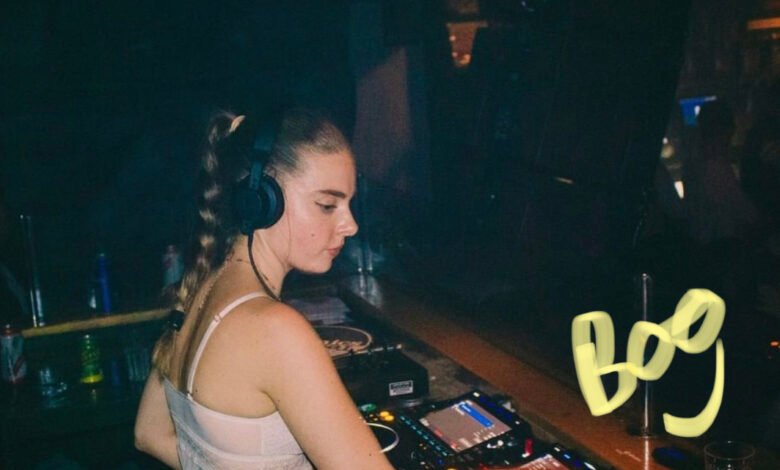
Newcastle has long been recognised as one of the UK’s most energetic cities when it comes to nightlife and electronic music. Over the past decade, the region has gained serious attention for producing standout talent that performs both nationally and internationally. The rise of famous DJs from Newcastle highlights how a strong local culture can shape artists with global appeal.


From underground beginnings to headline festival slots, the journey of these artists reflects determination, creativity, and community support. The demand for discovering famous DJs from Newcastle continues to grow as audiences search for fresh sounds and authentic experiences. This article explores the roots, evolution, and impact of this thriving DJ scene in detail.
The Rise of the Newcastle DJ Scene
The evolution of Newcastle’s DJ culture is deeply connected to its vibrant nightlife and loyal music community. Small venues, independent promoters, and passionate crowds have created an environment where experimentation is encouraged. This foundation has allowed many artists to develop their craft and eventually become recognised as famous DJs from Newcastle across the UK.
In recent years, the city has seen an increase in global exposure, with DJs performing at international festivals and securing major record deals. This growth has strengthened Newcastle’s reputation as a breeding ground for talent. As more artists break into the mainstream, the influence of famous DJs from Newcastle continues to expand within the global electronic music industry.
What Makes Newcastle DJs Unique
Newcastle DJs are known for their high-energy performances and ability to connect with audiences on a personal level. Their sets often reflect the lively and passionate spirit of the city, creating unforgettable experiences for listeners. This distinctive energy plays a significant role in why famous DJs from Newcastle are gaining popularity in competitive music scenes.
Another defining feature is their versatility and willingness to experiment with different sounds. Many Newcastle DJs blend house, techno, and tech-house influences to create a signature style that stands out. This creative freedom allows famous DJs from Newcastle to appeal to both underground enthusiasts and mainstream audiences alike.
Top Talent Shaping the Scene
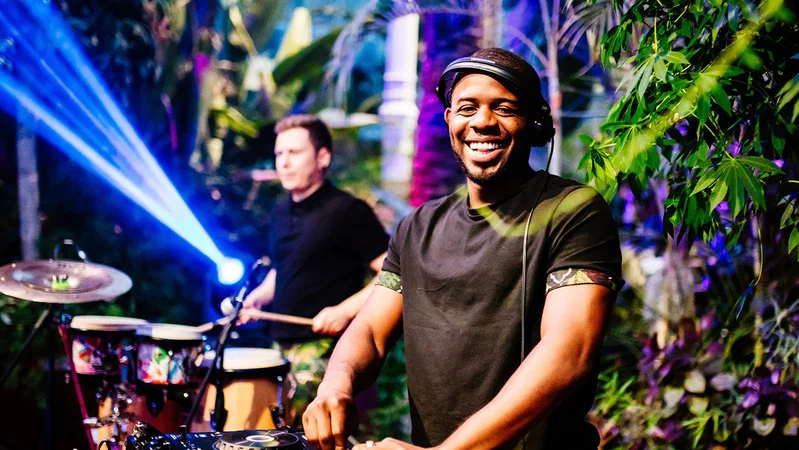
A number of artists have emerged as key figures in Newcastle’s music landscape, each contributing to its growing reputation. DJs such as Schak and Gaskin have captured attention with their powerful performances and innovative productions. Their success demonstrates the potential for famous DJs from Newcastle to achieve recognition beyond regional boundaries.
Alongside them, talents like Adam Clayton and Miss Bundz are pushing creative boundaries and expanding the scene’s diversity. Their unique approaches and growing fanbases highlight the depth of talent within the city. Together, these artists are shaping the identity of famous DJs from Newcastle and influencing the direction of electronic music.
Rising DJs from Newcastle to Watch
The future of Newcastle’s DJ scene looks incredibly promising, with a new generation of artists beginning to make their mark. These emerging DJs are utilising digital platforms such as SoundCloud, YouTube, and TikTok to share their music and build loyal audiences. Their efforts are helping to keep the legacy of famous DJs from Newcastle alive and evolving.
Many of these rising talents bring fresh ideas and experimental sounds, pushing the boundaries of traditional genres. Their willingness to innovate ensures that the scene remains dynamic and relevant. As they continue to gain recognition, these artists are likely to become the next wave of famous DJs from Newcastle in the coming years.
Iconic Clubs and Venues Supporting Talent
Newcastle’s nightlife is central to the development of its DJs, providing essential spaces for performance and growth. Venues like Digital and World Headquarters have become iconic within the UK, hosting both local talent and internationally renowned acts. These spaces offer valuable opportunities for famous DJs from Newcastle to refine their skills and build connections.
The atmosphere within these clubs is known for its intensity and authenticity, creating a strong bond between DJs and audiences. This connection fosters creativity and encourages experimentation, allowing artists to develop their unique styles. As a result, these venues play a crucial role in shaping the success of famous DJs from Newcastle.
Newcastle DJs on the Global Stage
Many DJs from Newcastle have successfully transitioned from local performers to global artists, performing in major destinations such as Ibiza and across Europe. Their ability to adapt to different audiences while maintaining their unique sound has contributed to their success. This global reach highlights the growing influence of famous DJs from Newcastle in the music industry.
International recognition not only benefits individual artists but also enhances the reputation of Newcastle as a whole. As more DJs achieve success abroad, they bring attention back to their roots, inspiring the next generation. This ongoing cycle ensures that famous DJs from Newcastle remain relevant on a global scale.
How to Discover More Newcastle DJs
Exploring the Newcastle DJ scene has become easier than ever thanks to digital platforms and streaming services. Websites like Spotify and YouTube allow listeners to access mixes, tracks, and live performances from both established and emerging artists. These platforms provide a gateway to discovering famous DJs from Newcastle and staying updated with their latest work.
Attending live events is another effective way to experience the energy and creativity of the scene firsthand. Local festivals and club nights showcase a diverse range of talent, offering something for every music enthusiast. By engaging with these opportunities, fans can fully appreciate the artistry of famous DJs from Newcastle.
Conclusion
Newcastle continues to stand out as a powerful force within the UK’s electronic music landscape. Its DJs embody creativity, resilience, and a deep connection to their community, making them influential figures in the industry. The rise of famous DJs from Newcastle demonstrates how local talent can achieve global recognition through dedication and innovation.
As the scene grows and evolves, it remains an exciting space for both artists and fans alike. Supporting these DJs not only strengthens the local music culture but also contributes to the wider global scene. The future looks bright, with famous DJs from Newcastle set to inspire and entertain audiences for years to come