
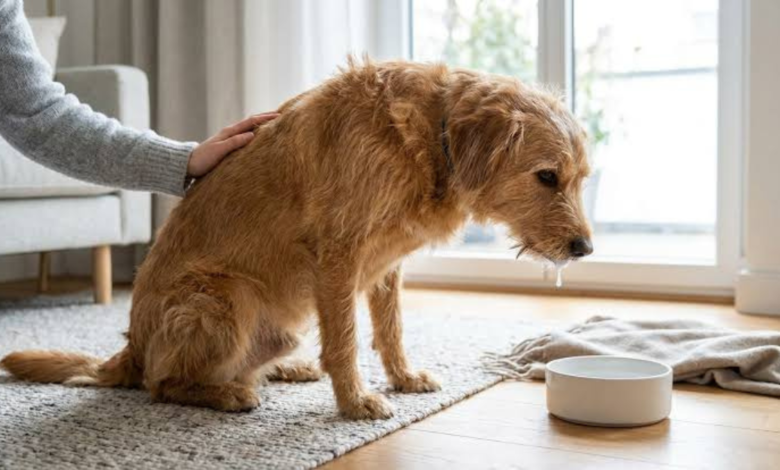
why is my dog throwing up Understanding why your dog is throwing up can be crucial for maintaining their health and well-being. Vomiting in dogs can be caused by various factors, ranging from something as simple as eating too fast to more serious gastrointestinal problems. This article explores the common causes and solutions to help your dog recover quickly and prevent future incidents why is my dog throwing up.

Common Causes of Dog Vomiting
The most frequent causes of vomiting in dogs include dietary indiscretion, such as eating grass, trash, or spoiled food. A sudden change in diet or food intolerance can also trigger vomiting. Gastrointestinal problems in dogs, including infections or allergies, are other common causes. Dogs may also vomit if they eat too quickly, which can lead to an upset stomach or regurgitation. Understanding why is my dog throwing up in these scenarios can help in taking preventive measures.
Identifying Vomiting Patterns in Dogs
Recognizing patterns in your dog’s vomiting can help identify the underlying issue. Some dogs vomit after eating too fast, while others may vomit bile when their stomachs are empty for too long. Pay attention to whether your dog is throwing up undigested food or clear liquid, as this can indicate different issues, such as esophageal or digestive problems. Knowing why is my dog throwing up in these cases can guide you to the right solution.
When to Visit the Vet for Dog Vomiting
While occasional vomiting can be normal, frequent or severe vomiting warrants a visit to the veterinarian. Signs that indicate a vet visit is necessary include persistent vomiting, blood in the vomit, or symptoms like diarrhea and lethargy. These could signal more serious conditions that require professional treatment. If you’re wondering why is my dog throwing up persistently, it’s crucial to consult a vet.
Dietary Changes and Dog Vomiting
Sudden changes in your dog’s diet can lead to vomiting. To prevent this, introduce new foods gradually. Be mindful of potential food intolerances and allergies that might cause gastrointestinal upset. Monitoring your dog’s response to dietary changes can help you manage and prevent vomiting episodes effectively. If you’re asking why is my dog throwing up after a diet change, gradual adjustments might be the key.
Gastrointestinal Problems in Dogs
Gastrointestinal issues such as infections or inflammation can cause vomiting. Conditions like megaesophagus, where the esophagus dilates, can lead to food regurgitation and require veterinary attention. Addressing these underlying health issues is essential for your dog’s digestive health.
Common Dog Ailments Associated with Vomiting
Various ailments can cause vomiting in dogs, including viral or bacterial infections, ingestion of toxins, and food allergies. Identifying and treating these conditions promptly can prevent more serious health problems. Regular check-ups with your veterinarian can help in early detection and treatment.
Preventing Dog Vomiting
To prevent vomiting, consider feeding smaller, more frequent meals and using a slow feeder to reduce the risk of eating too quickly. Avoid giving your dog access to trash or spoiled food. Maintaining a consistent and balanced diet will support your dog’s digestive system and reduce the likelihood of vomiting. Knowing why is my dog throwing up can help tailor these preventive strategies effectively.
Home Remedies for Vomiting Dogs
Simple home remedies can sometimes alleviate mild vomiting. Withholding food for 12-24 hours, followed by a bland diet of boiled chicken and rice, can help settle the stomach. Ensure your dog stays hydrated, as vomiting can lead to dehydration. However, if symptoms persist, seek veterinary help.
Frequently Asked Questions
Why is my dog throwing up white foam?
White foam vomit in dogs can be a sign of an empty stomach or gastritis. If it persists, consult a veterinarian to rule out underlying health issues.
Why is my dog throwing up undigested food hours later?
Throwing up undigested food could indicate a problem with the esophagus or digestion. It’s advisable to seek veterinary advice for a proper diagnosis.
What home remedy can I give my dog for vomiting yellow?
Offering a bland diet and ensuring your dog stays hydrated can help manage yellow vomiting, which often results from bile. Persistent issues should be evaluated by a vet.
Why is my dog vomiting yellow?
Yellow vomit usually indicates bile reflux, often due to an empty stomach. Feeding smaller, more frequent meals can help prevent this.
When is dog vomiting a cause for concern?
Seek veterinary care if your dog vomits persistently, shows signs of dehydration, has blood in vomit, or displays other symptoms like diarrhea or lethargy.
Why is my dog throwing up and diarrhea?
Vomiting with diarrhea can suggest gastrointestinal issues such as infections or ingestion of a toxin. Immediate veterinary consultation is recommended.
Understanding why your dog is throwing up is essential for addressing the problem effectively. By recognizing common causes and knowing when to seek veterinary help, you can ensure your dog’s health remains in optimal condition. Regular monitoring and preventive measures can significantly reduce the frequency and severity of vomiting episodes.
You May Also Read: accessible beige sherwin williams
