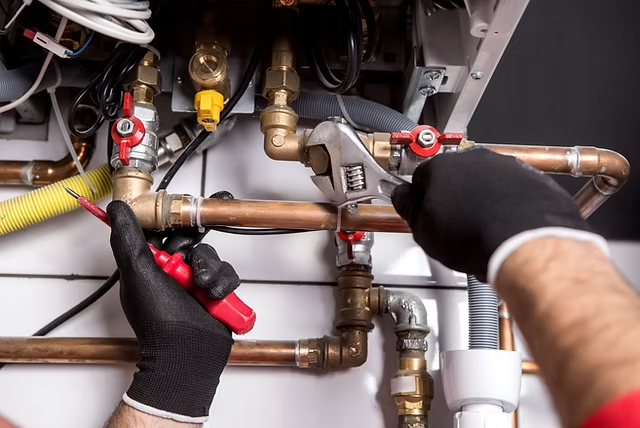
Heating engineers Bristol are essential professionals who ensure homes, businesses, and industrial spaces remain warm, safe, and energy efficient throughout the year. In a city like Bristol, where cold and damp weather conditions are common, having reliable heating support is not just a comfort but a necessity. These engineers specialise in diagnosing heating issues, repairing boilers, and installing modern systems that meet current energy standards and safety regulations.


Heating engineers Bristol also play a key role in maintaining the long-term performance of heating systems. Their expertise helps prevent breakdowns, reduce energy waste, and improve system efficiency. Whether it is a small domestic property or a large commercial site, these professionals provide tailored heating solutions designed to meet specific needs while ensuring compliance with UK safety requirements.
Full Range of Heating Services in Bristol
Heating engineers Bristol offer a wide range of services that cover every aspect of heating system care. One of the most requested services is boiler repair, where engineers quickly identify faults and restore heating systems to full working condition. They also provide installation services for new boilers, helping customers upgrade to energy-efficient models that reduce both energy consumption and utility bills.
Heating engineers Bristol also focus on central heating maintenance, including radiator balancing, pipework repairs, and system flushing. These services are essential for maintaining consistent heat distribution throughout a property. Regular maintenance not only improves system performance but also extends the lifespan of heating equipment, making it a cost-effective solution for homeowners and businesses.
Boiler Repairs and Installation Experts
Heating engineers Bristol are highly skilled in boiler repairs, handling everything from minor faults to complete system failures. Common issues such as low pressure, faulty thermostats, or leaking components are quickly diagnosed and repaired. Fast response times ensure that homes and businesses are not left without heating for long periods, especially during colder months when reliable heating is essential.
In addition to repairs, heating engineers Bristol specialise in boiler installation services. They help customers choose the right boiler based on property size, energy requirements, and budget. Modern installations focus heavily on energy efficiency, ensuring reduced carbon emissions and lower heating costs. Professional installation also guarantees safety and compliance with UK building regulations.
Central Heating Engineers Bristol for Homes and Businesses
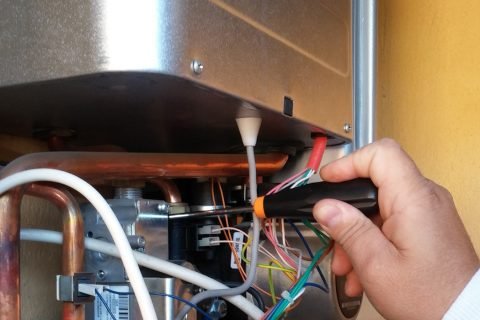
Central heating engineers Bristol provide comprehensive solutions for both residential and commercial properties. In homes, they ensure radiators are functioning correctly, thermostats are accurate, and heating systems operate efficiently. These services are essential for maintaining a comfortable indoor environment, especially during winter when heating demand is at its highest.
For commercial properties, central heating engineers Bristol manage larger and more complex heating systems. Offices, retail spaces, and warehouses require consistent heating performance to maintain productivity and comfort. Engineers ensure these systems are regularly serviced, energy efficient, and fully compliant with safety regulations, reducing the risk of unexpected breakdowns.
Commercial Heating Engineers Bristol
Commercial heating engineers Bristol specialise in large-scale heating systems designed for business environments. These systems often require advanced knowledge due to their complexity and size. Engineers provide installation, servicing, and repair solutions that ensure commercial buildings maintain stable and efficient heating throughout the year.
Businesses rely heavily on commercial heating engineers Bristol to avoid downtime caused by heating failures. Regular maintenance contracts are often arranged to ensure systems are inspected and serviced at scheduled intervals. This proactive approach helps businesses reduce operational risks, improve energy efficiency, and maintain comfortable working conditions for staff and customers.
Industrial Heating Engineers Bristol
Industrial heating engineers Bristol work with high-capacity systems used in factories, warehouses, and production facilities. These environments demand powerful and reliable heating solutions that can operate continuously under heavy usage. Engineers in this sector focus on performance optimisation, system reliability, and long-term durability.
Heating engineers Bristol working in industrial settings also prioritise energy management and system efficiency. Large-scale heating systems can consume significant energy, so engineers often recommend upgrades or modifications to reduce operational costs. Their expertise ensures that industrial facilities maintain consistent heating while minimising energy waste and downtime.
Electric Heating Engineers Bristol
Electric heating engineers Bristol provide specialist services for properties that use electric heating systems instead of traditional gas boilers. These systems include electric boilers, storage heaters, and modern smart heating solutions. Electric heating is becoming increasingly popular due to its simplicity, safety, and reduced maintenance requirements.
Heating engineers Bristol who specialise in electric systems help customers install and maintain efficient heating solutions tailored to modern living standards. They also advise on energy-saving technologies, such as programmable thermostats and smart controls. These upgrades help homeowners improve comfort while reducing electricity consumption and overall heating costs.
Emergency Heating Engineers Bristol
Emergency heating engineers Bristol are available for urgent situations where heating systems fail unexpectedly. Whether it is a boiler breakdown or complete loss of heating during cold weather, these engineers provide fast response services to restore comfort and safety as quickly as possible. Their ability to diagnose problems efficiently makes them invaluable in emergency situations.
Heating engineers Bristol offering emergency services often operate 24/7, ensuring support is available at any time of day. Quick response times are critical, especially during winter when heating is essential for health and comfort. These engineers carry essential tools and parts to fix most issues on-site, reducing downtime and inconvenience.
Gas Safe Registered Heating Engineers Bristol
Heating engineers Bristol must be Gas Safe registered to legally and safely work on gas appliances. This certification ensures that engineers are trained to handle gas boilers, heating systems, and related installations in compliance with UK safety standards. It is an essential requirement for protecting homes and businesses from potential gas hazards.
Choosing Gas Safe heating engineers Bristol provides peace of mind that all work is carried out safely and professionally. Regular inspections, servicing, and maintenance are performed according to strict guidelines. Homeowners are always advised to check registration details before hiring any heating professional to ensure safety and reliability.
Recommended Heating Engineers Bristol
Recommended heating engineers Bristol are typically those who have built strong reputations through consistent service quality and positive customer feedback. Reviews, local recommendations, and word-of-mouth referrals play an important role in identifying trusted professionals within the Bristol area.
Many customers also search for specific providers such as Ian Smith heating engineers Bristol when looking for reliable local experts. Independent engineers and small businesses often earn trust by delivering personalised service and high-quality workmanship. Choosing recommended heating engineers Bristol ensures dependable service and long-term satisfaction.
Boiler Maintenance and Energy Efficiency
Heating engineers Bristol strongly recommend regular boiler maintenance to ensure systems operate safely and efficiently. Annual servicing helps identify potential issues early, reducing the risk of expensive repairs or unexpected breakdowns. It also ensures compliance with manufacturer warranties and safety regulations.
Energy efficiency is a major focus for heating engineers Bristol, especially as energy costs continue to rise. Upgrading to modern boilers, installing smart thermostats, and improving system controls can significantly reduce energy consumption. These improvements not only lower bills but also contribute to environmentally friendly heating solutions.
Conclusion
Heating engineers Bristol provide essential services that support the comfort, safety, and efficiency of homes, businesses, and industrial facilities across the city. Their expertise covers everything from boiler repairs and installations to emergency response and large-scale heating system management. Choosing qualified professionals ensures long-term reliability and peace of mind.
With services tailored to domestic, commercial, and industrial needs, heating engineers Bristol remain a vital part of maintaining modern living and working environments. Their commitment to safety, efficiency, and customer satisfaction makes them the trusted choice for all heating-related requirements in Bristol.