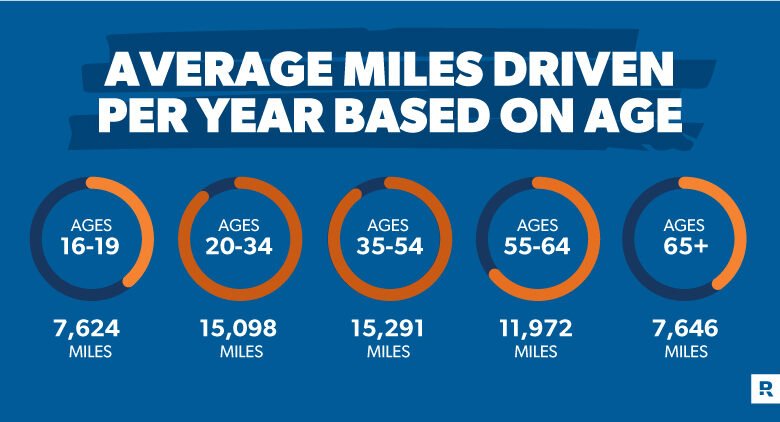
average mileage per year in the UK is a key measure used by drivers, insurers, and car buyers to understand how much a vehicle is typically used over time. It gives a realistic picture of driving habits across the country and helps people judge whether their own usage is above or below the national expectation.


average mileage per year in the UK is especially important when making financial decisions about cars. Whether you are buying, selling, or insuring a vehicle, this figure directly impacts value, running costs, and even long-term reliability expectations. In 2026, it remains one of the most searched automotive questions in the UK.
What is average mileage per year in the UK
average mileage per year in the UK refers to the typical number of miles a driver covers annually across different regions and lifestyles. While exact figures vary, UK drivers generally fall within a moderate range influenced by commuting distance, urban density, and access to public transport.
average mileage per year in the UK is often lower in cities due to shorter travel distances and higher use of trains or buses. In contrast, rural drivers tend to record higher annual mileage because they rely more heavily on private vehicles for work, shopping, and essential travel needs.
What is average mileage per year for a car
average mileage per year in the UK is commonly used to define what is considered normal usage for a car. This benchmark helps insurers and dealerships determine whether a vehicle has been driven lightly, moderately, or heavily over its lifespan.
average mileage per year in the UK for a standard car is often used as a reference point when calculating depreciation. Cars that fall within this expected range are generally seen as well-balanced in terms of wear and tear, making them more appealing to buyers in the used car market.
Average mileage per year for a used car
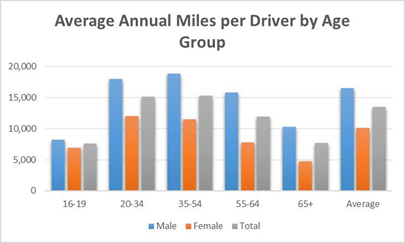
average mileage per year in the UK plays a major role when assessing used vehicles. Buyers usually calculate whether a car has been driven too much or too little compared to its age. This helps them understand potential maintenance costs and future reliability.
average mileage per year in the UK is often multiplied by a car’s age to estimate expected mileage. If a vehicle significantly exceeds this estimate, it may suggest heavier usage, while lower-than-average mileage can indicate lighter use, although maintenance history is equally important.
What affects average mileage per year in the UK
average mileage per year in the UK is influenced by several lifestyle and economic factors. One of the biggest contributors is commuting distance, as daily travel to work significantly increases annual mileage for many drivers across the country.
average mileage per year in the UK is also affected by fuel prices, remote working trends, and access to public transport. In recent years, flexible working arrangements have reduced commuting for many people, leading to noticeable changes in overall driving patterns nationwide.
Low, average, and high mileage categories
average mileage per year in the UK is used to classify cars into low, average, and high mileage groups. Low mileage vehicles are typically underused and may have less wear, while average mileage cars fall within expected yearly driving patterns.
average mileage per year in the UK also helps determine whether a car is considered high mileage. Vehicles in this category may experience more wear on mechanical components, although proper servicing can still make them reliable for long-term use.
Average mileage per year trends in the UK (2023 to 2026)
average mileage per year in the UK has gradually shifted between 2023 and 2026 due to changing work habits and lifestyle adjustments. Remote working has reduced daily commuting for many people, leading to slightly lower national driving averages compared to previous decades.
average mileage per year in the UK is also influenced by economic conditions such as fuel costs and insurance prices. These factors encourage some drivers to reduce unnecessary travel, further contributing to evolving patterns in annual vehicle usage across the country.
How to calculate your own average mileage per year
average mileage per year in the UK can be calculated by dividing the total miles driven by the number of years a vehicle has been used. This simple method helps drivers understand their personal driving habits compared to national averages.
average mileage per year in the UK can also be tracked using MOT records, service history, or digital vehicle apps. Knowing your personal mileage is useful when planning maintenance schedules, estimating fuel costs, and assessing future car value.
Why average mileage per year matters for car value
average mileage per year in the UK has a direct impact on a car’s resale value. Vehicles with lower-than-average mileage often attract higher prices because they are perceived to have experienced less wear and longer potential lifespan.
average mileage per year in the UK is also considered by insurers when calculating premiums. Higher mileage can sometimes increase risk assessments, while lower mileage may result in more favourable insurance costs depending on driving history and vehicle condition.
Conclusion on average mileage per year in the UK
average mileage per year in the UK remains one of the most important benchmarks for understanding driving behaviour and vehicle usage. It helps drivers compare their habits with national patterns and make informed decisions about car ownership.
average mileage per year in the UK also plays a crucial role in the automotive market, influencing everything from insurance pricing to resale value. Whether you are buying, selling, or simply tracking your driving, this figure offers valuable insight into real-world vehicle usage.